Rabbit Hemorrhagic Disease. Into RHD Prevention

Did you know that up to 90% of rabbits infected with RHD can die?

Discover the latest news and become an expert in the prevention of rabbit haemorrhagic disease

Rabbit haemorrhagic disease

rabbit vet

1

The most common form of rabbit haemorrhagic disease is hyperacute, which is characterized by sudden death without any clinical signs.
lab

2

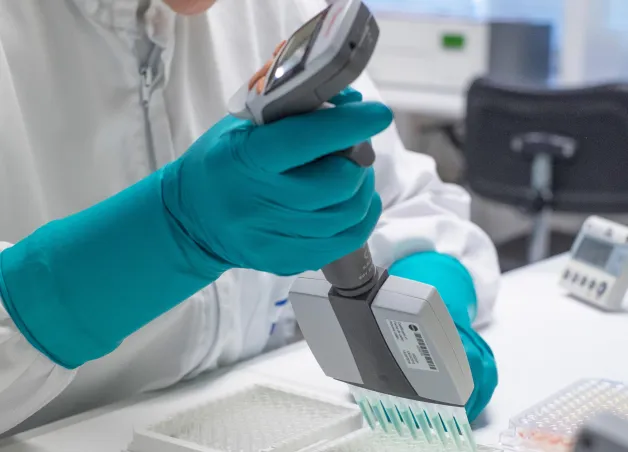
The definitive diagnosis of the subacute or chronic form is very limited, since detection of the virus is usually through liver samples.
Hipra Rabbits

3

Cases of RHD have been reported in indoor rabbits. The most common routes of transmission on these occasions are: footwear, clothing or even contaminated non-commercial food.


After being detected in France for the first time in 2010, the RHDV2 variant spread to other leporid species and other countries, such as Spain, Italy, Portugal, United Kingdom, Germany, Australia, Canada, United States, Mexico, Japan and South Africa.
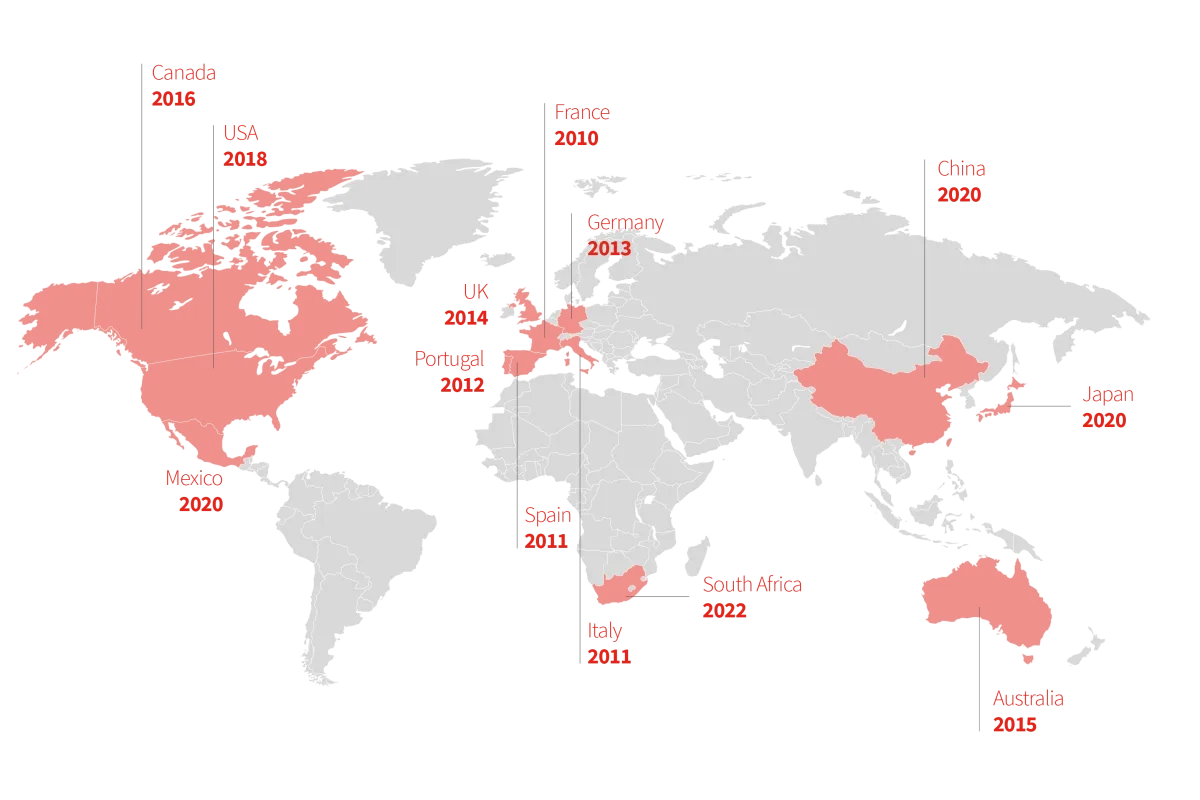

 

First cases of RHDV2 reported in each country

Discover the latest news and become an expert in the prevention of rabbit haemorrhagic disease

Disease

Maternal immunity in rabbits: The first line of defense against highly virulent RHDV2 strains

Discover why maternal immunity acts as a vital protective shield for newborn rabbits facing highly pathogenic viruses such as RHDV2. 

Disease

Highly virulent RHDV2 strains: a risk for our pet rabbits!

RHD virus is characterized by high mortality rate and high resistance in the environment. Even indoor rabbits without contact with other animals can be infected.   

Disease

New challenges in rabbit protection: Highly virulent RHDV2 strains

Highly virulent strains of rabbit haemorrhagic disease pose a major challenge due to their high mortality rates, making it necessary to vaccinate rabbits with vaccines specifically indicated for these strains.